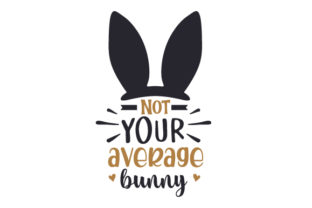
Not Your Average Bunny
As an embroidery designer and product reviewer, I’ve seen my fair share of holiday-themed designs. But Not Your Average Bunny stands out—not just for its charm, but for how it balances creativity with practicality. This design feels like a fresh take on a classic Easter motif, making it a strong candidate for a variety of projects.
The First Impression
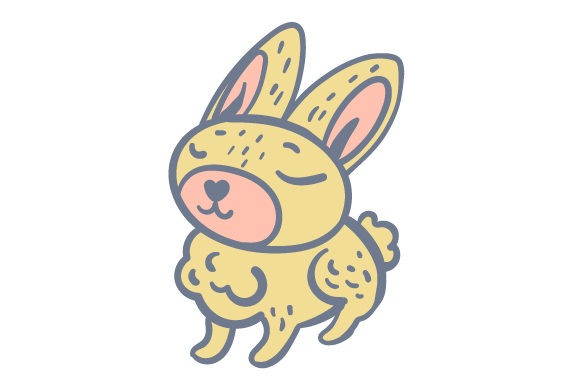
From the moment I laid eyes on Not Your Average Bunny, I noticed its unique character. It’s not the typical pastel, cutesy bunny you see everywhere. Instead, it has a slightly whimsical, almost modern edge that could work well in both traditional and contemporary settings. The shape is clean, the layout is balanced, and the details are just enough to add visual interest without overwhelming the design.
This isn’t a design that screams “Easter,” but it carries a subtle, playful energy that makes it feel appropriate for the season. It’s the kind of piece that could be used in a range of applications—whether as a standalone embroidered patch or as part of a larger project.
Real-World Embroidery Performance
When I tested Not Your Average Bunny on a few different fabrics, I was impressed by how it translated in real life. On a cotton tote bag, it looked crisp and clear, with good stitch density that didn’t look too heavy. On a sweatshirt, the design held up well, though I noticed that the satin stitch areas needed a bit of extra stabilizer to prevent puckering.
For baby items, like a onesie or a blanket, the design works beautifully. The lines are smooth, and the overall look is soft and approachable. I can see this being a popular choice for personalized gifts, especially if paired with a custom message or name.
On a cap, the design required careful placement to avoid stretching the fabric. The corners of the bunny were a bit tight, so I had to adjust the hoop size to make sure everything stitched correctly. That said, the result was still visually appealing and would look great on a casual headwear item.
Where to Use It Carefully
While Not Your Average Bunny is versatile, there are some situations where it might not perform as well. If you’re working with small hoop sizes, you might find that the detail gets lost or the design doesn’t fit properly. Similarly, on textured fabrics or thin, stretchy materials, the stitches can sometimes look uneven or distorted.
On dark fabrics, the design looks great, but if you’re using a light-colored thread, you might want to test it first to ensure visibility. For layered garments or curved surfaces, the design may need some adjustment to sit correctly without distorting the image.
If you're planning to use this as an applique design, be mindful of the stitch density. Some areas might be too dense for certain fabrics, which could lead to stiffness or discomfort in the final product.
Impact on Visual Appeal and Customer Perception
Not Your Average Bunny adds a nice touch of personality to any project. Its clean lines and balanced composition make it visually appealing, and the overall look feels professional. Whether you’re selling it as a finished product or using it as a digital asset, it has the potential to elevate your brand’s aesthetic.
From a customer perspective, this design could be a hit. It’s unique enough to stand out, yet familiar enough to feel comforting. For handmade products, it offers a level of quality that can build trust and encourage repeat purchases. As a personalized gift, it’s a thoughtful choice that shows care and attention to detail.
For commercial embroidery projects, Not Your Average Bunny could be a solid addition to your library of designs. It’s adaptable, easy to use, and has a broad appeal that could translate into sales across multiple platforms.
Practical Designer Notes
Before jumping into a full project, I always recommend testing the design on scrap fabric. This helps you understand how the stitches will look on your chosen material and whether any adjustments are needed. Also, check the contrast between your thread colors and the fabric to ensure the design stands out.
Reviewing the stitch density is another important step. If certain areas are too dense, you might need to adjust the design or use a different type of stitch, like a running stitch, to keep the fabric from becoming stiff.
Make sure to confirm the hoop size required for the design. If you’re working with a smaller machine, you might need to split the design or adjust the layout to fit. Also, pay close attention to small details—like the bunny’s ears or facial features—to ensure they come out clearly after stitching.
Testing the design in black and white mockups can help you see how it looks without color, which is useful for printable mockups or digital product previews. Comparing it on light and dark backgrounds can also give you a better idea of how it will appear in different contexts.
Using the right stabilizer is crucial, especially on delicate or stretchy fabrics. A good stabilizer can prevent puckering and ensure the design stays in place. Finally, double-check the licensing terms before using the design for commercial purposes or selling finished items.
Final Thoughts
Not Your Average Bunny is a design that deserves a closer look. It’s not just another Easter-themed piece—it’s a versatile, well-crafted option that can work in a variety of embroidery projects. Whether you’re a small business owner, a craft seller, or a hobbyist, this design has the potential to add value to your offerings.
With a bit of care and testing, Not Your Average Bunny can become a staple in your collection of machine embroidery designs. It’s the kind of piece that can turn a simple item into something special, and that’s what makes it worth considering for your next project.